Health & pain
Vibration Plate: What Does the Evidence Say? (2026 Guide)
Is a vibration plate effective? We review the evidence for effects on muscles, bones, and circulation, and who should avoid them. Get a patient-friendly guide.
 Carsten RosendalLægeeksamineret fysiurgisk massør & statsautoriseret fodterapeut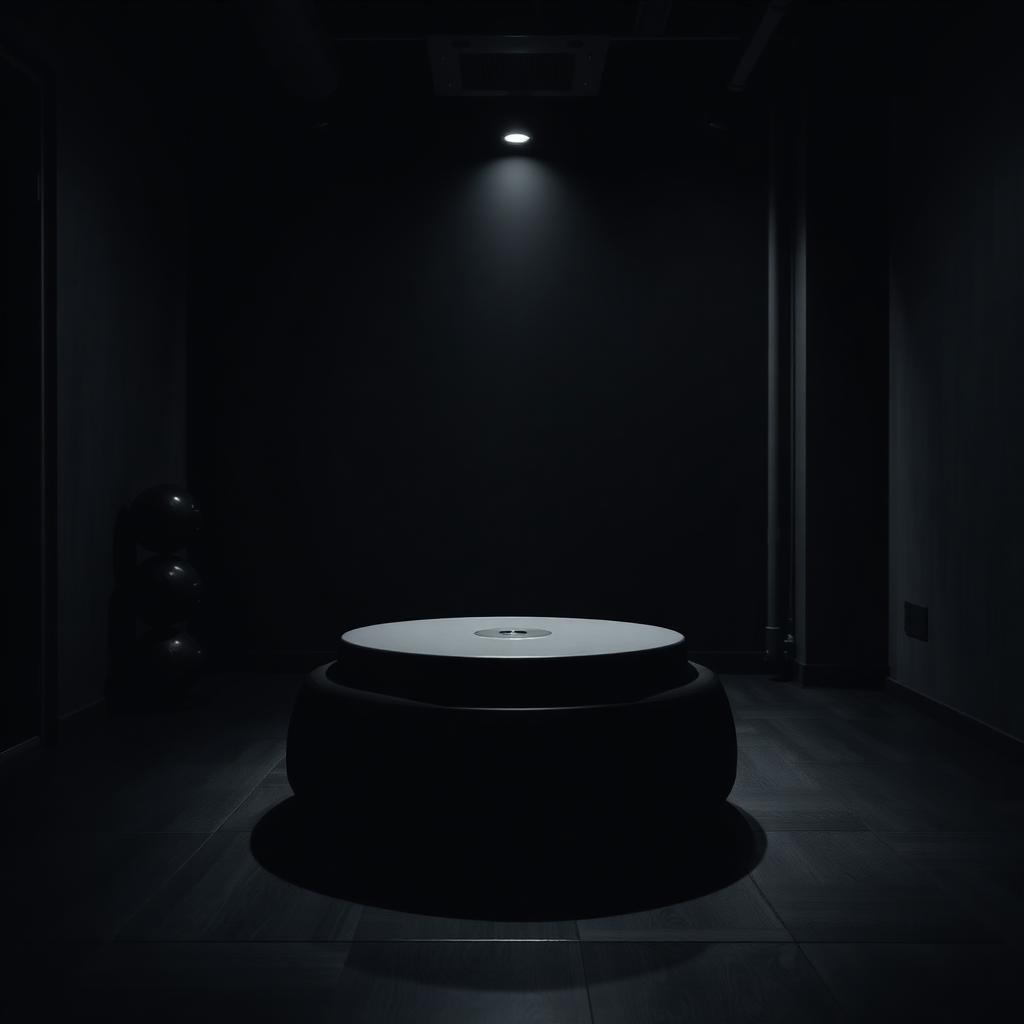
Vibration training has become a popular supplement in fitness centers and private homes, but what does science actually say about its effects? In this article, we delve into the available evidence to give you a nuanced picture of the benefits, limitations, and risks of using vibration plates.
What is a vibration plate, and how does it work?
A vibration plate is an exercise platform that generates rapid, mechanical oscillations. These oscillations are transmitted to the body, forcing the muscles to contract and relax many times per second. This method, known as Whole Body Vibration (WBV), stimulates the body's muscles differently from traditional strength training.
The principle behind WBV is that the vibrations trigger a stretch reflex in the muscles. When the muscle is stretched by the vibration, it reacts by contracting. Because this happens at a high frequency (typically between 20-50 times per second), a large part of the muscle fibers are activated, even those that can be difficult to engage with regular exercise. It is this intense, involuntary muscle activation that can theoretically lead to improvements in strength, balance, and other physiological parameters. There are primarily two types of vibration plates:
- Linear/vertical: The platform moves exclusively up and down. This provides a more direct and intense impact.
- Pivoting/oscillating: The platform tilts from side to side like a seesaw. This mimics a more natural, walking movement and is often considered to be gentler.
The choice between the two types depends on personal preferences and training goals.
Muscle strength and performance: What does the research show?
Research indicates that vibration training can increase muscle strength, especially in untrained individuals, the elderly, and in rehabilitation programs. The effect on well-trained athletes is more debated, but it can serve as a supplement to an existing training program.
The primary mechanism is the increased neuromuscular load. The rapid contractions challenge both the muscles and the nervous system, which learns to recruit muscle fibers more efficiently. Several studies have shown significant improvements in, for example, leg strength (measured by squat and jump height) after a period of regular WBV training. For sedentary office workers or individuals who find it difficult to perform traditional strength training, a vibration plate can be an easily accessible way to stimulate muscles throughout the day. A 10-15 minute session can help activate major muscle groups and counteract some of the negative effects of an inactive lifestyle.
Balance and fall prevention in the elderly
Several studies indicate that vibration training can improve balance and potentially reduce the risk of falls in the elderly. By stimulating the small muscles around the joints and improving the body's proprioception (joint sense), WBV can make the body better at detecting and reacting to sudden changes in position.
Proprioception is the body's ability to perceive its own position in space. This sense often weakens with age, increasing the risk of falls. The vibrations from the plate send constant signals to the brain about the position of the feet and legs, which can help retrain and sharpen this sense. For the elderly, improved balance can have an enormous impact on quality of life and the ability to remain independent. Regular, short sessions on a vibration plate, often in a simple standing position, have been shown in clinical trials to improve postural control and reaction time, which are crucial for preventing falls.
Bone Mineral Density (BMD) and osteoporosis: Is there an effect?
Research in this area is mixed, but some studies suggest that long-term vibration training can have a small, positive effect on bone mineral density (BMD), especially in postmenopausal women, who are a primary risk group for osteoporosis (bone fragility).
The theory is based on Wolff's Law, which postulates that bones adapt to the stress they are subjected to. The mechanical vibrations from the plate create stress on the skeleton, which can stimulate bone-building cells (osteoblasts). The effect appears to be most pronounced in the hips and lumbar spine. However, it is important to have realistic expectations. Vibration training is not a miracle cure for osteoporosis and cannot replace medical treatment or adequate intake of calcium and vitamin D. It should be seen as a potential supplement to an overall effort. People with severe osteoporosis should also exercise great caution and always consult their doctor, as there may be an increased risk of fractures.
Improved circulation and flexibility
Vibration training can temporarily increase blood flow in the active muscles and improve joint mobility. The rapid muscle contractions act as a pump, helping to drive blood through the small blood vessels, and the increased muscle heat can make connective tissue more pliable.
Several studies have observed an increase in skin blood circulation and a reduction in arterial stiffness immediately after a WBV session. This can be beneficial as part of a warm-up before exercise or as a method to promote recovery after exercise by increasing the supply of oxygen and nutrients to the muscles. At the same time, light stretching exercises performed on the vibration plate can provide a deeper effect and improve flexibility more than static stretches alone. As a supplement to this, targeted vibration massage with a MassageGun X can further release specific, tense muscle groups and support the overall feeling of well-being and recovery.
Recommended use: How to get started?
To achieve the best results and minimize risks, it is crucial to start slowly and listen to your body's signals. Begin with short sessions of 10-15 minutes, 2-3 times a week, and gradually increase the duration or frequency as your body adapts to the load.
Frequency and duration
For most beginners, 10-15 minutes per session is sufficient. The session can be divided into intervals, e.g., 60 seconds of vibration followed by 60 seconds of rest. Use low frequency and amplitude settings initially.
Positions and exercises
Both static and dynamic exercises can be performed. Start with simple, static positions such as standing with slightly bent knees. This ensures that the vibrations are absorbed by the muscles and not sent directly to the head. Later, you can advance to exercises like squats, lunges, or plank on the plate. Correct posture is paramount to avoid undue strain on joints and back.
The importance of correct form
Always keep your knees slightly bent to act as shock absorbers. Avoid locking your joints. If you experience headache, dizziness, or discomfort, stop immediately and adjust your position or intensity.
Who should NOT use a vibration plate? (Contraindications)
Individuals with certain health conditions should avoid vibration training or only use it after explicit approval from a doctor. The vibrations can worsen certain conditions or interfere with medical devices.
Although vibration training is safe for most people, there are a number of absolute and relative contraindications. According to Acibadem International and general clinical practice, you should avoid WBV if you have one or more of the following conditions:
- Pregnancy: The effect on the fetus is unknown.
- Pacemaker or ICD: Vibrations can potentially interfere with electronic implants.
- Acute thrombosis (blood clot): There is a theoretical risk that a blood clot could dislodge.
- Recent surgeries, implants, or fresh wounds: The area needs rest to heal.
- Known retinal detachment: Vibrations can increase the risk of worsening.
- Severe osteoporosis: High risk of fractures. Mild osteopenia is typically not a contraindication, but requires medical assessment.
- Acute disc herniation, spondylosis, or other severe spinal disorders.
- Severe cardiovascular disease.
This list is not exhaustive. If in doubt, always speak to your doctor or a physical therapist before you start using a vibration plate.
Conclusion
Evidence shows that a vibration plate can be a valuable tool for specific groups – especially the elderly who wish to improve balance, and untrained individuals who want to increase muscle strength. It can also serve as a supplement for warm-up and recovery. However, it is not a magic solution that can replace an active lifestyle and varied training. To achieve the positive effects and avoid risks, it is crucial to use the plate correctly, start cautiously, and respect your body's limits and any contraindications.
Are you curious about how modern wellness technology can complement your health routine? We invite you to visit one of our 20+ showrooms in Europe to experience our products. You can also explore our range of fitness and recovery products on our website.
Sources
- Vibration plate benefits — an evidence-based guide for patients (Acibadem International)
- Træning for ældre (Sundhed.dk)
- Whole-body vibration exercise: Are vibrations good for you? (PubMed/Mayo Clinic Proceedings)
Disclaimer
Content in this article is for general information and inspiration only. It cannot and should not replace professional medical advice, diagnosis, or treatment. Always seek the advice of your own doctor or other qualified healthcare professional with any questions you may have regarding a medical condition.
Frequently Asked Questions
How often can you use a vibration plate?
For most beginners, it is recommended to start with 2-3 sessions per week, lasting 10-15 minutes. Always listen to your body's signals and gradually increase intensity or duration.
Can you lose weight by using a vibration plate?
Vibration training burns calories, but typically fewer than traditional cardio training like running or cycling. It can support weight loss as part of an overall active lifestyle and healthy diet, but should not be seen as a primary weight loss method.
Is vibration training dangerous?
For most healthy people, vibration training is safe when performed correctly. However, it is dangerous for individuals with certain conditions such as pregnancy, pacemakers, acute blood clots, or severe osteoporosis. Always consult a doctor if you are in doubt.
What exercises can you do on a vibration plate?
You can start with simple, static exercises like standing with slightly bent knees. Later, you can advance to dynamic exercises such as squats, lunges, calf raises, and even planks or push-ups with hands on the plate to challenge the upper body.
Read also