Massagers
Air Purifier, Sleep & Allergy: Your Guide to Better Sleep
Do you suffer from allergies and poor sleep? Learn how an air purifier can improve the air quality in your bedroom and give you deeper, more restful sleep.
 Carsten RosendalLægeeksamineret fysiurgisk massør & statsautoriseret fodterapeut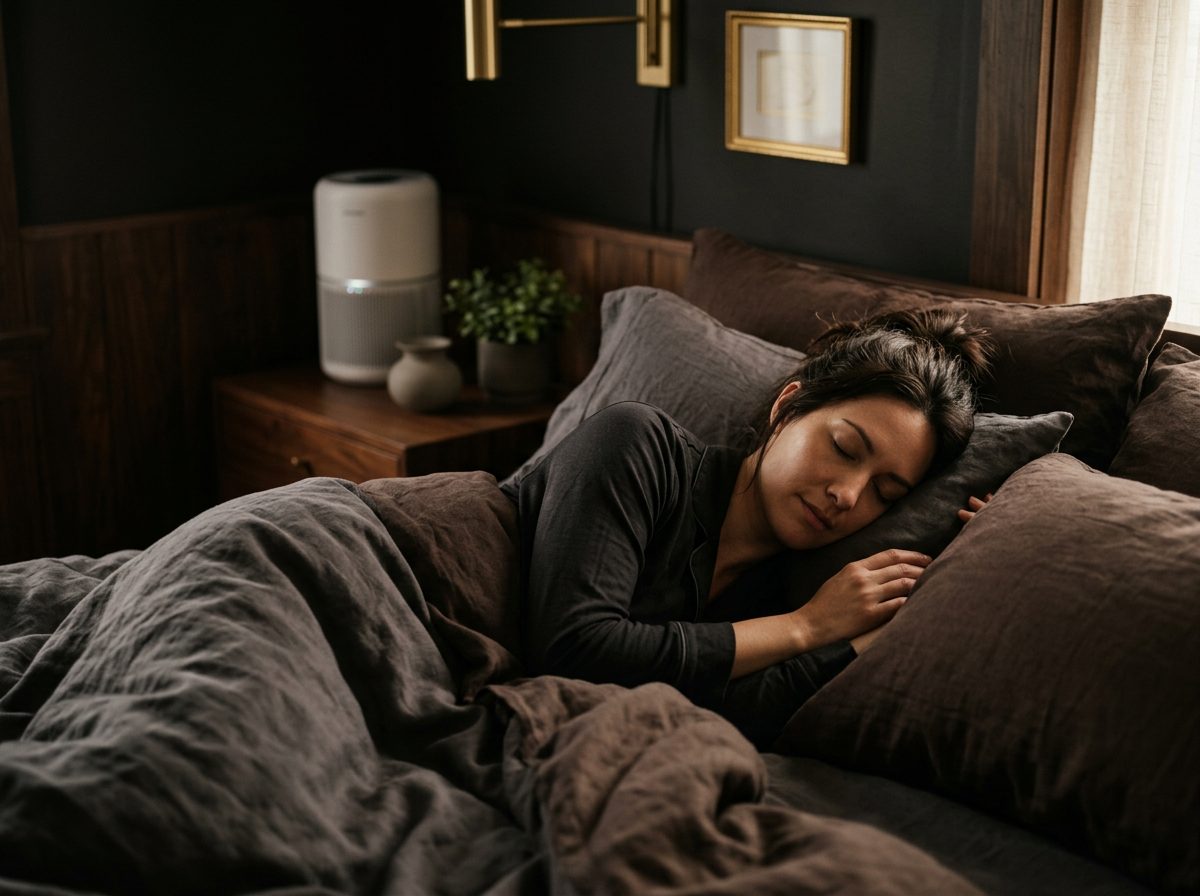
Do you often wake up with a stuffy nose, itchy eyes, or feeling not truly rested? The answer might not be in your mattress or pillow, but in the air you breathe during the eight hours you spend in the bedroom. Clean air is an overlooked, yet essential, component for deep and restorative sleep, especially for the millions of people who suffer from allergies.
Why is bedroom air quality so crucial?
We spend approximately one-third of our lives in bed. During this time, our body is in a state of recovery, repairing cells, consolidating memories, and recharging for the day ahead. But what if the air we breathe actively works against this process? Studies show that indoor air can be up to five times more polluted than outdoor air. In the bedroom, an often closed and less ventilated space, the concentration of airborne particles can be particularly high.
These particles include:
- Dust mites: Microscopic organisms that thrive in bedding, mattresses, and carpets.
- Pollen: Can easily enter from outside via clothes and open windows, even outside of peak season.
- Pet dander: Tiny skin flakes from dogs and cats that can remain airborne for hours.
- Mold spores: Thrive in damp environments and can cause respiratory problems.
- VOCs (Volatile Organic Compounds): Chemicals off-gassed from paint, new furniture, cleaning products, and even some air fresheners.
When we inhale these particles night after night, our immune system can become overloaded. This can lead to inflammation in the airways, resulting in symptoms that directly disrupt sleep.
The link between allergy, sleep, and poor air
For people with allergies, the connection between air quality and sleep is even more direct. When you inhale an allergen such as pollen or dust mite feces, your body reacts by releasing histamine. This chemical reaction causes the well-known allergy symptoms:
- Stuffy or runny nose (allergic rhinitis)
- Sneezing fits and coughing
- Itchy, watery eyes
- Throat irritation
These symptoms make it difficult to fall asleep and lead to frequent awakenings during the night. A stuffy nose forces you to breathe through your mouth, which can lead to dry mouth, sore throat, and even snoring, further fragmenting sleep. The result is that you spend less time in the deep, restorative sleep stages (deep sleep and REM sleep). You might wake up feeling as tired as when you went to bed – a state that affects everything from your mood and concentration to your general health.
Meet your new ally in the fight for better sleep: The Air Purifier
This is where the air purifier comes in as a powerful solution. A modern air purifier is not just a fan; it is an advanced device designed to systematically remove harmful particles from the air and create a cleaner, healthier indoor climate in your bedroom.
How does an air purifier work?
The principle is simple but effective. A motor drives a fan that draws room air into the unit. Here, the air passes through a series of filters that capture pollutants before the clean, filtered air is sent back into the room. The key to effectiveness lies in the filter technology.
The most effective air purifiers use HEPA filters (High-Efficiency Particulate Air). A true HEPA filter is certified to capture 99.97% of all particles down to 0.3 micrometers in size. This includes almost all common allergens such as pollen, dust mites, pet dander, and mold spores. Many models combine HEPA filters with an activated carbon filter, which is designed to absorb gases, odors, and VOCs, providing complete air purification.
What to look for in a bedroom air purifier?
To get the maximum benefit, there are a few factors you should consider:
- CADR (Clean Air Delivery Rate): This figure indicates how quickly the air purifier can clean the air in a room of a given size. Make sure to choose a model with a CADR suitable for the size of your bedroom.
- Noise level: Since the unit will be running at night, a low noise level is crucial. Look for models with a dedicated 'sleep mode' or 'night mode' that operate at under 30 dB – a sound level equivalent to a light whisper.
- Smart features: Modern air purifiers often have sensors that continuously monitor air quality and automatically adjust fan speed as needed. This ensures optimal performance without unnecessary noise or energy consumption.
Create the ultimate sleep environment for optimal recovery
An air purifier is a powerful tool, but to achieve the absolute best sleep, it should be part of a holistic approach to your sleep environment. At World of Comfort, we see wellness as an ecosystem where multiple elements work together to optimize your body's recovery.
Step 1: Support that conforms to you
Your bed is the foundation of your sleep. A mattress that does not provide proper support can create pressure points and muscle tension that disrupt sleep as much as allergies. Our SOVESYSTEM is developed with exactly this in mind. With motors from Danish LINAK and a construction approved by the renowned German Sleep Council, our beds adapt to your body. Furthermore, the textiles are treated with GREENFIRST®, a natural anti-dust mite treatment based on essential oils, which further reduces allergens directly at the source.
Step 2: Preparation with deep relaxation
Stress and physical tension are enemies of sleep. An effective way to prepare the body for rest is through massage. Just 15-20 minutes in an advanced massage chair like our Pharaoh Neo before bedtime can make a world of difference. Massage lowers the level of the stress hormone cortisol and increases the production of serotonin, which is a precursor to the sleep hormone melatonin. Just as our SYNTHERA AI massage chair uses advanced technology to tailor your massage, a good air purifier uses sensors to adapt air purification to your room – it's all about intelligent wellness.
Step 3: The final adjustments for perfection
In addition to clean air and proper support, remember these last important elements:
- Temperature: Keep the bedroom cool, ideally between 16-18°C (61-64°F).
- Darkness: Use blackout curtains to block all outside light, as light can interfere with melatonin production.
- Routine: Create a consistent evening routine that signals to your body that it's time to wind down. This could be reading, calming music, or a short relaxation session.
Practical tips to reduce allergens in the bedroom
In addition to using an air purifier, you can make a big effort to minimize allergens yourself:
- Wash bedding weekly: Wash duvet covers, pillowcases, and sheets at 60°C (140°F) to kill dust mites.
- Vacuum regularly: Use a vacuum cleaner with a HEPA filter to trap allergens instead of stirring them up into the air.
- Keep pets out: While cozy, the bedroom is the worst place for pets if you suffer from allergies.
- Ventilate correctly: Open windows completely for 5-10 minutes twice a day for a quick and effective air exchange, instead of leaving a window ajar.
Investing in clean air in the bedroom is investing directly in your health and quality of life. By removing the invisible stressors that disturb your night's sleep, you give your body the best conditions to fully recover. The combination of clean air, proper support, and a relaxing evening routine can transform your sleep from fragmented and superficial to deep and healing.
Are you ready to take the next step towards better sleep? Visit one of our over 20 showrooms in Europe for personal guidance, or explore our selection of advanced massage chairs and wellness solutions on our website.
Frequently Asked Questions
What size air purifier do I need for my bedroom?
It depends on the size of the room. Look for the unit's 'CADR' (Clean Air Delivery Rate). A good rule of thumb is that the CADR value (m³/h) should be at least three times the room's volume (length x width x height) to ensure efficient air circulation.
Does an air purifier help with snoring?
Yes, it can. If snoring is caused by blocked airways due to allergies or irritation from dust, an air purifier can reduce these irritants. This can lead to freer breathing and thus less snoring.
How often should I change the filter in my air purifier?
It varies by model and use, but most HEPA filters should be replaced every 6 to 12 months. Activated carbon filters often need to be changed more frequently, typically every 3 to 6 months. Many modern units have an indicator that tells you when it's time.
Can I leave an air purifier running all night?
Yes, absolutely. It's even the best way to use it to ensure constantly clean air while you sleep. Choose a model with a 'sleep mode' or a low noise level (below 30 dB) so it doesn't disturb your sleep.
Read also