Home Wellness
Lymphatic Drainage at Home: Your Guide to Detox and Wellness
Feeling tired or bloated? Learn how simple techniques and advanced wellness technology can kickstart your lymphatic system and enhance your well-being.
 Carsten RosendalLægeeksamineret fysiurgisk massør & statsautoriseret fodterapeut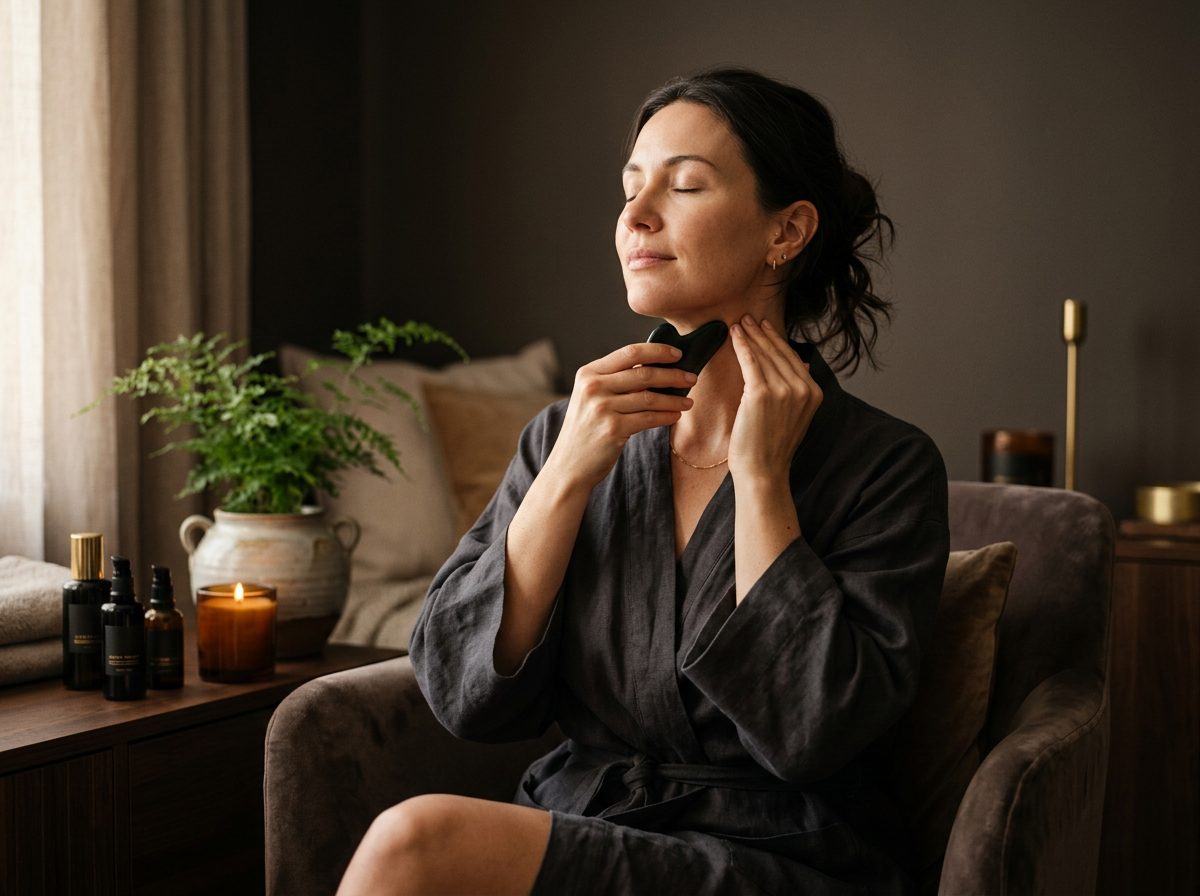
Do you often feel tired, heavy, or bloated for no obvious reason? The answer may lie in an overlooked but vital system: your lymphatic system. By giving this system a little daily attention, you can significantly improve your energy levels, strengthen your immune system, and achieve a general feeling of lightness and well-being – all from the comfort of your own home.
What is the lymphatic system, and why is it so important?
The lymphatic system can be thought of as the body's intelligent purification plant and a central part of the immune system. It is a complex network of vessels, tissues, and organs that work together to transport a clear fluid called lymph throughout the body. The lymph collects waste products, excess fluid, bacteria, and viruses from the tissues and transports them to the lymph nodes, where they are filtered and neutralized.
Unlike blood circulation, which has the heart as a powerful pump, the lymphatic system has no central pump. It relies on muscle movements, deep breathing, and the body's general movement to keep the fluid flowing. When this system becomes sluggish or stagnant, it can lead to an accumulation of waste products and fluid, which can negatively impact our health and well-being.
A well-functioning lymphatic system is crucial for:
- Immune system: Transports white blood cells and removes pathogens.
- Detoxification: Removes waste products and toxins from cells.
- Fluid balance: Prevents fluid retention (edema) in tissues.
- Fat absorption: Transports fats from the digestive system to the blood.
Signs of a sluggish lymphatic system
When the lymphatic system is not functioning optimally, it can manifest in a range of diffuse symptoms that many of us may overlook in a busy daily life. Recognizing these signs is the first step towards addressing the problem.
Common signs include:
- Fluid retention (edema): Especially swollen ankles, feet, and fingers.
- Fatigue and heaviness: A persistent feeling of being drained of energy.
- Frequent infections: A sign of a weakened immune system.
- Cellulite and skin problems: Accumulation of waste products can show on the skin.
- 'Brain fog': The feeling of unclear thinking and difficulty concentrating.
- Digestive problems and bloating.
- Stiffness: Especially in the morning.
If you recognize one or more of these signs, it may be a good idea to integrate methods to stimulate your lymphatic system into your daily routine.
Manual techniques for lymphatic drainage at home
You don't need to book an appointment with a professional to get started. There are several simple and effective techniques you can perform yourself.
Dry brushing: A simple start to the day
Dry brushing is an ancient practice that effectively stimulates the lymphatic vessels, which lie just beneath the skin. It removes dead skin cells and boosts circulation.
How to do it:
- Use a natural bristle brush with medium-soft bristles.
- Start at your feet and brush with long, gentle strokes upwards towards your heart.
- Brush arms, stomach, and back – always towards the heart.
- Avoid the face and areas with irritated skin.
- Do this for 3-5 minutes before your morning shower.
Gentle self-massage
You can mimic professional lymphatic drainage with gentle, pumping movements on key areas with many lymph nodes.
How to do it:
- Neck & collarbone: Place your fingers flat on each side of your neck and make gentle, downward strokes towards the collarbones. Lightly pump in the hollow above the collarbones.
- Armpits: Place your palm in the opposite armpit and make gentle, pumping movements.
- Groin area: Make gentle, pumping movements in the crease between your thigh and torso.
Remember, the pressure should be extremely light – you should only move the skin, not the muscles.
Deep breathing
The largest lymphatic vessel in the body, the thoracic duct, runs through the chest cavity, and deep breathing (diaphragmatic breathing) creates pressure that acts as a powerful pump for lymph flow.
How to do it:
- Lie on your back with bent knees.
- Place one hand on your chest and one on your stomach.
- Breathe deeply in through your nose, so your stomach rises (the hand on your chest should remain relatively still).
- Slowly exhale through your mouth.
- Repeat 10-15 times daily.
Technological aids: The next level of home wellness
While manual techniques are a great start, modern wellness technology can take your lymphatic drainage to an entirely new level of effectiveness and comfort. At World of Comfort, recognized as a Børsen Gazelle in both 2024 and 2025, we specialize in exactly this.
Advanced massage chairs: Full-body lymph stimulation
A modern massage chair is far more than just a luxury item; it is an advanced wellness tool. Our premium massage chairs, for which we are an official retailer for Body Friend, are designed with programs that specifically support the lymphatic system.
The groundbreaking Pharaoh Neo massage chair uses a combination of technologies:
- Compression therapy: Built-in airbags in the legs, arms, shoulders, and feet inflate sequentially to create a gentle, pumping motion that mimics manual drainage and pushes lymphatic fluid towards the body's center.
- 4D massage: Intelligent massage rollers can not only move up/down and in/out, but also adjust speed and depth in real-time. This provides incredibly precise and human-like massage that can release tension around the lymphatic pathways.
- SYNTHERA AI Scanner: Before each session, the chair scans your body, mapping your unique contours and pressure points. This ensures that the massage and compression are perfectly adapted to you for maximum effect.
A daily 15-20 minute session in a chair like DaVinci or Pharaoh Neo can be a transformative experience for your lymphatic system, especially after a long day of sedentary work or intense training.
Massage guns for targeted relief
A massage gun can also be an effective tool when used correctly. Instead of working directly on the lymph nodes, you can use a MassageGun X to stimulate the large muscle groups surrounding the lymphatic pathways.
Use it on a low setting with a soft head, and work on muscles in the thighs, calves, buttocks, and shoulders. The increased blood circulation and muscle relaxation in the area help promote a healthier flow of lymphatic fluid. Always remember to move the gun towards the heart.
Lifestyle changes that support your lymphatic system
Technology and manual techniques are most effective when combined with a supportive lifestyle.
Hydration is key
Lymphatic fluid consists primarily of water. For the system to flow freely and effectively remove waste products, it is crucial to drink plenty of clean water throughout the day. Aim for 1.5-2 liters daily.
Movement, movement, movement
Since the lymphatic system relies on muscle contractions, regular movement is the most natural way to keep it going. All forms of movement count, but some are particularly effective:
- Walking: Simple, but effective.
- Yoga: Twists and inversions are fantastic for lymph flow.
- Rebounding: Jumping on a small trampoline is one of the most effective exercises for pumping the lymphatic system.
Sleep and recovery
The body's most important cleansing processes occur while we sleep. Therefore, quality sleep is essential. Optimizing your sleep environment can make a big difference. Our advanced SOVESYSTEM is designed with exactly this in mind. With the powerful and quiet LINAK motors, you can gently elevate your legs at night. This 'zero gravity' position uses gravity to help drain fluid and waste products from the legs back towards the body's center, reducing swelling and supporting the lymphatic system's nocturnal work. Furthermore, the textiles are treated with GREENFIRST, a natural anti-dust mite treatment, ensuring a cleaner and healthier sleep environment, recognized by the German Sleep Council.
Conclusion: Your path to a lighter life
Taking care of your lymphatic system is one of the most effective forms of self-care you can practice. It doesn't require drastic changes, but merely awareness and the integration of small, daily habits. Start with simple techniques like dry brushing and deep breathing, and supplement with the power of modern wellness technology like an advanced massage chair or an intelligent sleep system to achieve profound and lasting results.
Are you curious about how a massage chair or an advanced sleep system can transform your home wellness? Visit one of our over 20 showrooms in Europe to experience the difference for yourself, or explore our complete range of wellness technology online. We offer a 5-year warranty on most products and interest-free financing, making the path to better well-being easier than ever before.
Frequently Asked Questions
How often should I do lymphatic drainage?
Daily, gentle habits like dry brushing and deep breathing are ideal. More intensive methods such as using a massage chair or compression boots can be beneficial 3-5 times a week or as needed, e.g., after exercise or a long day.
Does lymphatic drainage hurt?
No, lymphatic drainage should always be a gentle and comfortable experience. The pressure should be very light, as the lymphatic vessels are located just beneath the skin. If it hurts, you are likely applying too much pressure.
Can a massage chair replace manual lymphatic drainage?
An advanced massage chair like Pharaoh Neo is designed to mimic many of the principles of manual lymphatic drainage using sequential compression and targeted massage. For daily maintenance and general stimulation, it is an extremely effective and practical alternative.
What are the first signs that my lymphatic drainage is working?
The first positive signs are often a feeling of lightness, reduced swelling in fingers and ankles, increased energy levels, and clearer thinking ('less brain fog'). Many also experience an improvement in skin appearance and a feeling of general well-being.
Read also