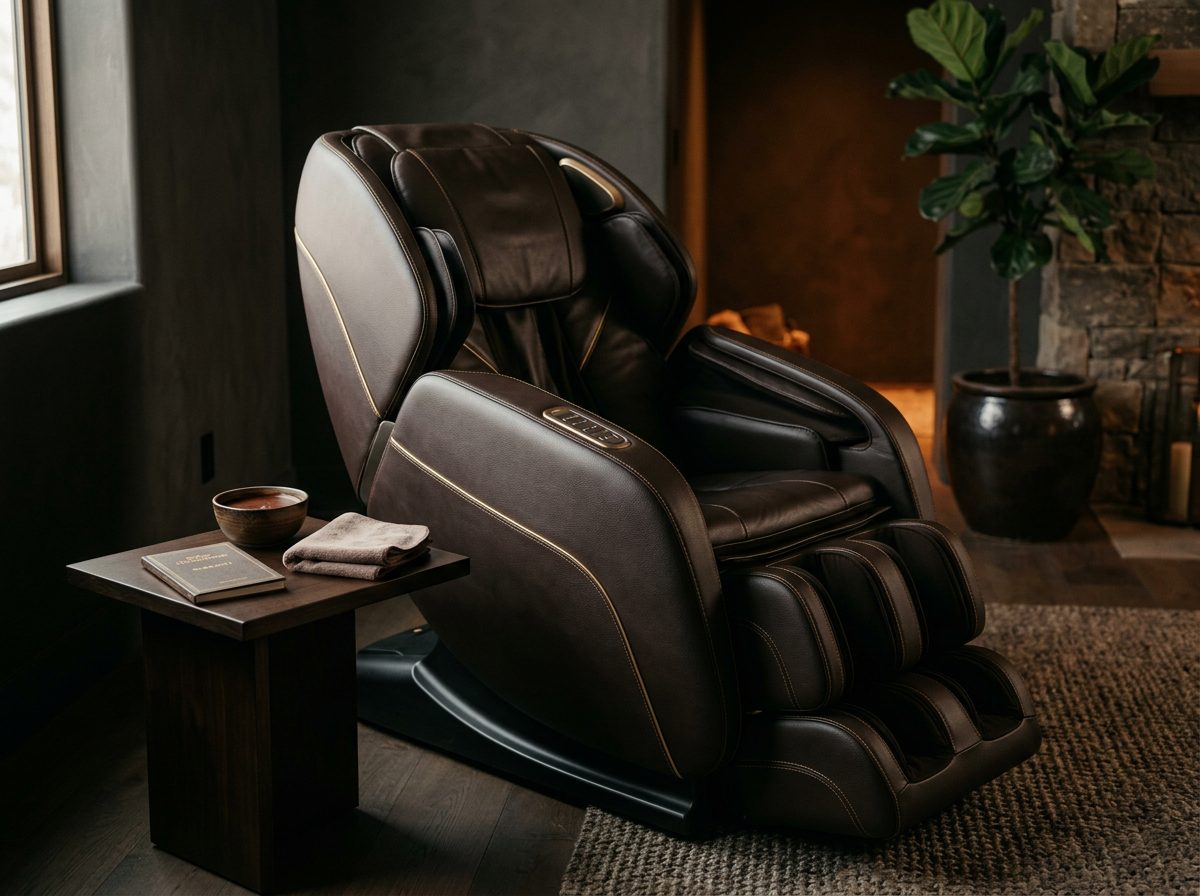
Massage Chairs
Massage Chair After Training: Optimize Your Recovery
Sore muscles after training? Discover how a massage chair can accelerate your recovery, reduce muscle soreness, and improve your results. Read what the research says.
 Carsten RosendalLægeeksamineret fysiurgisk massør & statsautoriseret fodterapeut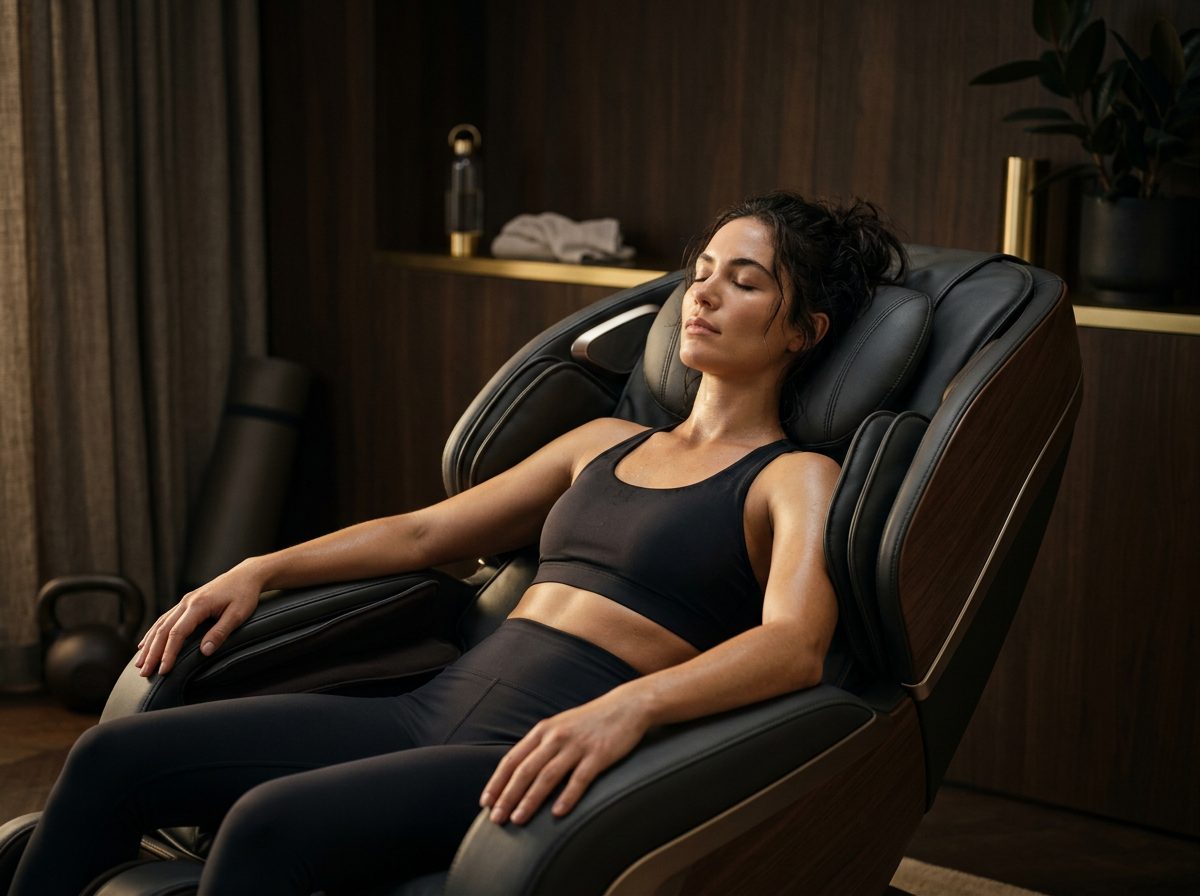
The familiar feeling of muscle soreness the day after a tough workout is for many a sign that they have performed at their best. But what if you could significantly shorten recovery time, reduce discomfort, and be ready for your next training session faster? An advanced massage chair is no longer just a luxury item for relaxation; it is a high-tech tool that can revolutionize your recovery.
Why is recovery the secret ingredient in your training?
To understand the value of massage after training, we must first understand what happens in the body. When we exercise, especially during strength training or unaccustomed movements, microscopic tears occur in our muscle fibers. This is a completely normal and necessary process for the muscles to rebuild themselves stronger than before.
This process initiates an inflammatory reaction, which is the body's natural healing mechanism. It is this reaction that leads to what we know as Delayed Onset Muscle Soreness (DOMS). DOMS typically peaks 24-48 hours after training and can cause stiffness, pain, and reduced mobility.
Effective recovery is about giving the body the best conditions to repair these muscle fibers, remove waste products, and reduce inflammation. Without adequate recovery, you not only risk pain but also reducing the effect of your training, increasing the risk of injury, and experiencing general fatigue.
What does science say about massage and recovery?
Traditional sports massage has been a staple in professional athletes' recovery programs for decades. But what does research actually say about its effect, and how can the technology in a massage chair mimic and even improve this process? Research points to several core mechanisms.
Reduction of DOMS (Delayed Onset Muscle Soreness)
Several studies have shown that massage after intense training can significantly reduce the severity of DOMS. An analysis published in the Journal of Athletic Training found that massage was one of the most effective methods for relieving DOMS. Massage is believed to work by reducing the inflammatory response in the muscles. The mechanical stimulation helps to suppress the production of inflammatory cytokines – small proteins that signal pain and swelling.
Improved blood circulation and removal of waste products
When a massage chair works deep into muscle tissue, blood flow is stimulated. This is essential for recovery. Increased blood circulation means more oxygen- and nutrient-rich blood flows to the damaged muscle fibers, accelerating the repair process. At the same time, the improved flow helps transport waste products such as lactic acid and creatine kinase away from the muscles, which can reduce soreness and stiffness.
Reduction of the stress hormone cortisol
Intense training is a form of physical stress that can increase the level of the stress hormone cortisol in the body. Over time, elevated cortisol levels can have a negative effect, as it is a catabolic hormone that can break down muscle tissue. Research has shown that massage has a significant effect on lowering cortisol levels and simultaneously increasing levels of feel-good hormones like serotonin and dopamine. This not only creates a feeling of well-being but also supports an anabolic (muscle-building) environment in the body.
From manual hands to intelligent technology
A modern massage chair from World of Comfort is designed to replicate and refine the techniques a professional masseur uses. But the chair has some crucial advantages: it is always available, it never gets tired, and it uses advanced technology to deliver a precise and personalized treatment every time.
Intelligent Body Scanning and 4D Massage
Before a session begins, our most advanced massage chairs, such as the renowned Pharaoh Neo from Body Friend, perform a sophisticated body scan. Using sensors, your body's precise contours, the curve of your spine, and the placement of your shoulders are mapped. This ensures that the massage rollers hit the right points with the correct intensity. 4D technology adds an extra dimension, where the rollers not only move up/down and in/out (3D) but can also vary speed and rhythm to mimic a human hand even more closely.
L-Shape, Heat Therapy, and Zero Gravity
Traditional massage chairs only focus on the back. Our premium models, such as the elegant DaVinci, however, use an L-Shape (or SL-Shape) massage track. This means that the massage rollers continue from the neck, down the entire back, and further under the seat to massage your gluteal muscles and the back of your thighs – areas that are often sore after running, cycling, and strength training.
Combined with built-in carbon fiber heat therapy in the lumbar region and around the calves, tension is released even more effectively. The heat increases blood flow and makes the muscles more receptive to the massage.
Zero Gravity function, inspired by NASA technology, places your body in a nearly weightless position where your legs are elevated above heart level. This completely relieves pressure on the spine, improves circulation, and allows for a deeper and more effective massage.
Specific programs for recovery
Many of our chairs, including the AI-powered SYNTHERA AI, come with dedicated automatic programs designed for athletes. These "Sports Refresh" or "Stretching" programs combine various massage techniques such as kneading, tapping, and rolling with gentle stretches of the back, legs, and hips. This is ideal for regaining flexibility and relieving tension after a tough workout.
How to integrate the massage chair into your weekly routine
To get the maximum benefit from your massage chair as a recovery tool, timing and regularity are key.
-
Warm-up (optional): A short and gentle 5-10 minute session focusing on stretching can be an excellent way to prepare muscles for training. It increases blood flow and improves mobility.
-
After training (essential): This is the most important time. Ideally, wait 30-60 minutes after your workout is complete so your heart rate can return to normal. Choose a 15-25 minute program focused on recovery or deep tissue massage. Listen to your body – the massage should feel comfortable and soothing, not painful.
-
On rest days: Active recovery is often more effective than passive rest. On your rest days, a session in the massage chair can help reduce residual stiffness, promote blood circulation, and mentally prepare you for your next workout. Here, a longer, more relaxing program can be ideal.
For athletes who often experience very specific muscle knots, a massage chair can be advantageously supplemented with a more targeted tool. Our MassageGun X is perfect for working on a specific trigger point in, for example, the shoulder or calf, either before or after a full-body session in the chair.
Conclusion: An investment in your performance and well-being
A high-tech massage chair is far more than a luxurious sofa. For the serious exerciser and athlete, it is a scientifically backed tool that actively improves the body's ability to recover. By reducing DOMS, improving blood circulation, and lowering stress levels, a massage chair can help you train harder, reduce the risk of injury, and achieve your goals faster.
It is an investment that pays off in the form of less pain, increased performance, and daily well-being. We invite you to experience the difference yourself. Visit one of our over 20 showrooms in Europe and get a personal demonstration, or explore our entire range of innovative massage chairs and find the model that perfectly suits your needs.
Frequently Asked Questions
How long should you use a massage chair after training?
A 15-25 minute session is generally optimal. This gives the chair time to work through the muscles without overstimulating them, while the body is still in a recovery phase.
Can you use a massage chair if you are injured?
For acute injuries, inflammation, or swelling, you should always consult a doctor or physiotherapist first. For general muscle soreness and stiffness, the chair is ideal, but avoid massaging directly on an acute injury.
Which massage chair is best for recovery after strength training?
For strength training, we often recommend models with strong 4D massage and an L-Shape frame, such as our Pharaoh Neo. These can deliver the deep tissue massage necessary to loosen up large muscle groups like the back, glutes, and thighs.
Is a massage chair better than a foam roller?
The two complement each other well. A foam roller is good for targeting specific points (myofascial release), while a massage chair offers a more passive, comprehensive full-body massage that also has a de-stressing effect and improves overall circulation.
Read also