
Health & pain
Disc Herniation: Symptoms, Progression & What Helps
Learn about the symptoms, progression, and effective relief for disc herniation. Understand what happens in your back and what you can do to feel better.
 Carsten RosendalLægeeksamineret fysiurgisk massør & statsautoriseret fodterapeut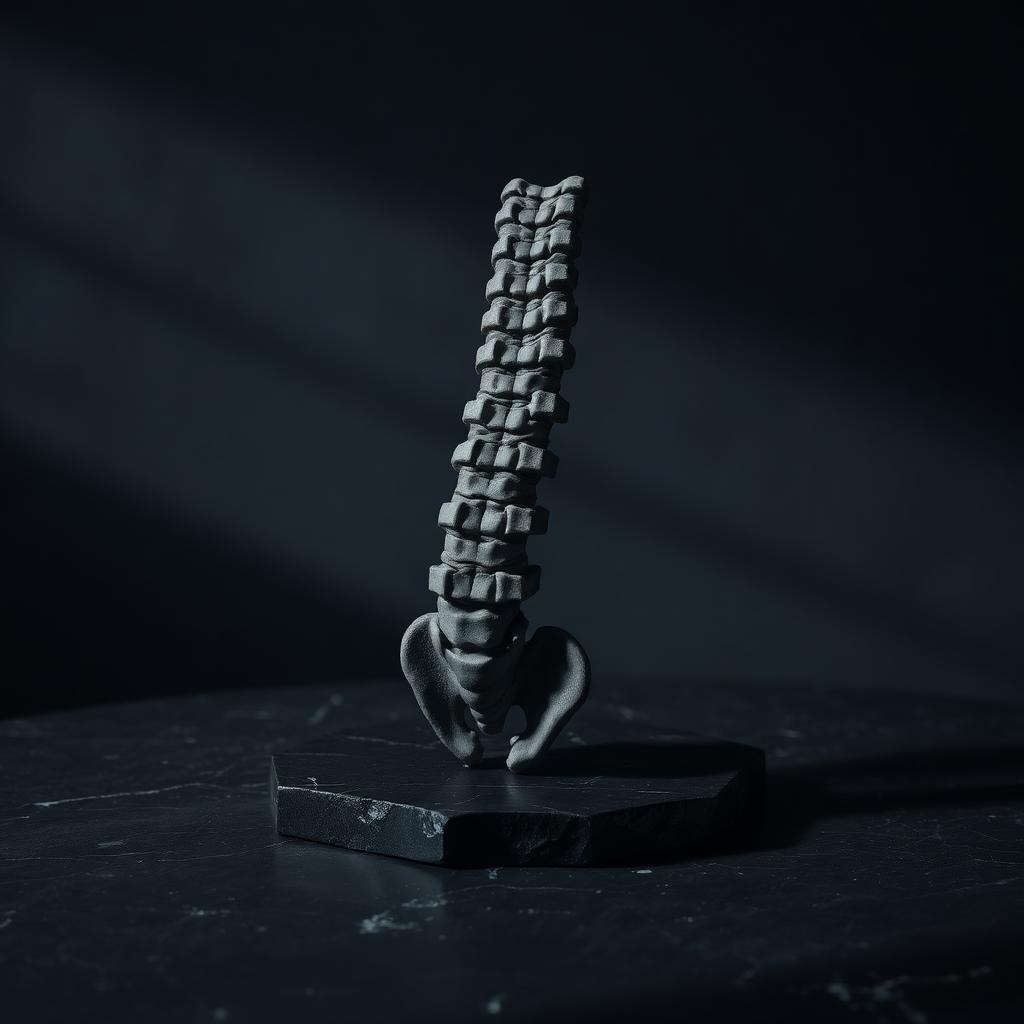
A diagnosis of disc herniation can seem frightening, and the accompanying pain can be debilitating. Fortunately, the prognosis for most people is far better than one might fear. In this article, we explain clearly what a disc herniation is, how the progression typically looks, and what you can do to alleviate symptoms and support your body's healing process.
What is a Disc Herniation?
A disc herniation is an injury to one of the cartilage discs (discs) located between the vertebrae of the spine. The injury involves the soft core in the middle of the disc (nucleus pulposus) being forced out through a tear in the outer, firmer cartilage ring (annulus fibrosus). This protrusion can then press on one of the nerve roots that extend from the spinal cord, causing pain and other symptoms.
The spine is a complex and ingenious structure. It consists of bones (vertebrae) stacked one on top of the other, separated by these shock-absorbing disc pads. Each disc acts as a small cushion that absorbs shock and gives the back flexibility. With age, or as a result of sudden strain, the outer ring of a disc can weaken and rupture. When the inner, jelly-like core is pushed out, it is called a herniation.
It is important to emphasize that many people have a disc herniation without ever experiencing symptoms. The condition only becomes a problem when the bulging disc presses on or irritates a nerve. Herniations most commonly occur in the lower back, as this area bears the most weight, but they can also occur in the neck.
What are the typical symptoms of a disc herniation?
The most common symptoms of a disc herniation are pain, numbness, tingling, or weakness in the area supplied by the affected nerve. The location of the symptoms depends on where in the spine the herniation is located – typically either in the lower back or in the neck.
Symptoms of a herniation in the lower back
When a disc herniation occurs in the lower back (the lumbar part of the spine), it is often the sciatic nerve or one of its roots that is compressed. This can lead to:
- Lower back pain: Can range from a dull, constant ache to a sharp, shooting sensation.
- Radiating pain (sciatica): Pain that radiates from the buttock down the back or side of the leg, sometimes all the way to the foot. The pain is often described as burning, electric, or stinging.
- Sensory disturbances: A tingling, buzzing sensation (paresthesia) or numbness in the leg, foot, or toes.
- Reduced muscle strength: Weakness in the leg, which can make it difficult to lift the foot (foot drop) or to walk on tiptoes or heels.
Symptoms of a herniation in the neck
A disc herniation in the neck (the cervical part of the spine) can press on nerves that go to the arms and shoulders. Symptoms may include:
- Neck pain: Often worsened by movement.
- Radiating pain: Pain that radiates from the neck into the shoulder, arm, and hand.
- Sensory disturbances: Tingling, buzzing, or numbness in the arm, hand, or fingers.
- Reduced muscle strength: Weakness in the arm, which can make it difficult to grip things or lift the arm.
When should you see a doctor?
You should always contact your doctor if you suspect a disc herniation to get a correct diagnosis. In most cases, the condition is not acutely dangerous, but certain symptoms, known as "red flags," require immediate medical attention, as they can indicate a severe nerve compression (cauda equina syndrome).
Seek urgent medical attention or go to the emergency room if you experience:
- Loss of bladder or bowel control (incontinence).
- Numbness in the groin, inner thighs, and around the rectum (saddle area).
- Sudden and progressive paralysis or severe weakness in the legs.
The diagnosis is typically made based on a thorough medical history and a physical examination, where the doctor tests your reflexes, muscle strength, and sensation. In many cases, this is sufficient. An MRI scan may be necessary to confirm the diagnosis and see precisely where and how large the herniation is, especially if surgery is being considered or if symptoms are atypical.
How does a disc herniation typically progress?
The good news is that the vast majority of disc herniation cases (around 80-90%) heal on their own without the need for surgery. The body has an impressive ability to clear things up. The immune system perceives the extruded material from the disc nucleus as a foreign body and slowly begins to break it down and remove it. At the same time, the inflammation surrounding the irritated nerve subsides.
The progression is highly individual, but a general timeline often looks like this:
- Week 1-4: The acute phase, where pain is often worst. The focus is on pain relief and finding positions that relieve pressure on the nerve.
- Week 4-12: Pain typically begins to subside significantly for many. The body's healing process is well underway, and it becomes easier to resume light activities.
- After 3 months: Most people experience significant improvement. There may still be periodic pain or sensory disturbances, but function is usually back to normal.
Patience is a crucial factor in the process. It can be frustrating, but it is important to give the body time to heal.
What can you do to alleviate symptoms yourself?
Although the body primarily handles the healing itself, you can actively contribute to alleviating symptoms and creating the best conditions for your back. It's about finding a balance between rest and gentle movement, guided by your pain.
Movement and exercises
Modern recommendations advise against prolonged bed rest. Although it can be tempting to lie down when in pain, light and adapted movement is crucial for maintaining muscle strength and promoting blood circulation, which supports healing.
- Walking: Short, frequent walks on an even surface are often a good start.
- Guidance from a physiotherapist: A physiotherapist can provide you with a specific exercise program tailored to your situation. For example, McKenzie exercises, which aim to "push" the herniation into place and centralize the pain.
- Listen to your body: Movement should not provoke radiating pain in the leg or arm. If an exercise hurts, you should stop.
Pain relief and comfort in everyday life
Finding comfort and relief is especially important in the acute phase. It's about reducing pressure on the pinched nerve.
- Pain medication: Over-the-counter medications like paracetamol or ibuprofen can help take the edge off the pain, allowing you to move more easily. Always talk to your doctor about medication.
- Heat and cold: A heating pad can help relax tense muscles, while an ice pack can reduce inflammation and provide pain relief. Experiment to see what works best for you.
- Relieving positions: Lying on your back with bent knees and feet on the floor, or with your lower legs resting on a chair or stool, can often provide immediate relief. Lying on your side with a pillow between your knees is another good position.
Precisely in the pursuit of relief, specialized comfort technology can be a valuable support in everyday life. An adjustable bed, like our advanced SOVESYSTEM, allows you to fine-tune your sleeping position with powerful LINAK motors. By raising your legs or backrest, you can easily find a position that minimizes pressure on your lower back and provides much-needed rest.
Similarly, an advanced massage chair can offer a unique form of relief. The Zero Gravity function, found in models like Pharaoh Neo, reclines the body into a weightless-like position where body weight is evenly distributed. This removes pressure from the spine and can provide a respite from constant pain. It must be emphasized that this is pure comfort and relief – not a treatment for the herniation itself.
When is surgery considered for disc herniation?
Surgery is a last resort and is only considered in specific situations. Surgery becomes relevant when conservative treatment (physiotherapy, time, pain relief) has not had sufficient effect after a prolonged period (typically at least 6-12 weeks), or if there are severe neurological symptoms.
The primary indications for surgery are:
- Cauda equina syndrome: Requires acute surgery to prevent permanent damage.
- Progressive weakness: If muscle weakness in the arm or leg worsens, surgery can prevent permanent nerve damage.
- Unacceptable pain: If the pain is so severe that it cannot be controlled with strong pain medication and does not improve over time.
The purpose of the surgery is to remove the part of the disc that is pressing on the nerve, thereby relieving symptoms.
Conclusion
Although a disc herniation is a painful and worrying condition, it is important to remember that the prognosis for most people is good. The body is capable of healing itself, and with the right approach – a balance between gentle movement, patience, and effective pain relief – the vast majority recover without surgery. Correct diagnosis and guidance from healthcare professionals are crucial for a good outcome.
If you experience how comfort and relief can play a role in your daily life, you are welcome to visit one of our 20+ showrooms in Europe. Here you can try out how an adjustable bed or a Zero Gravity position can give your body a well-deserved break.
Disclaimer
The content of this article is for general information and inspiration only. It cannot and should not replace professional medical advice, diagnosis, or treatment. Always seek the advice of your own doctor or other qualified health professional with any questions you may have regarding a medical condition.
Sources
Frequently Asked Questions
How long does a disc herniation last?
The progression is individual, but most people experience significant improvement within 6-12 weeks. The body often heals the condition on its own, but it requires patience.
Is a disc herniation dangerous?
In most cases, a disc herniation is not dangerous, although it is painful. However, symptoms such as loss of bladder/bowel control or progressive paralysis require urgent medical attention.
Should one stay completely still with a disc herniation?
No, prolonged bed rest is discouraged. It is important to find a balance between rest and light, gentle movement, such as walks, as this promotes healing and maintains muscle strength.
Can a massage chair help with a disc herniation?
A massage chair cannot treat or cure a disc herniation. However, it can offer temporary comfort and relief through supportive positions like Zero Gravity, which reduces pressure on the spine.
Read also